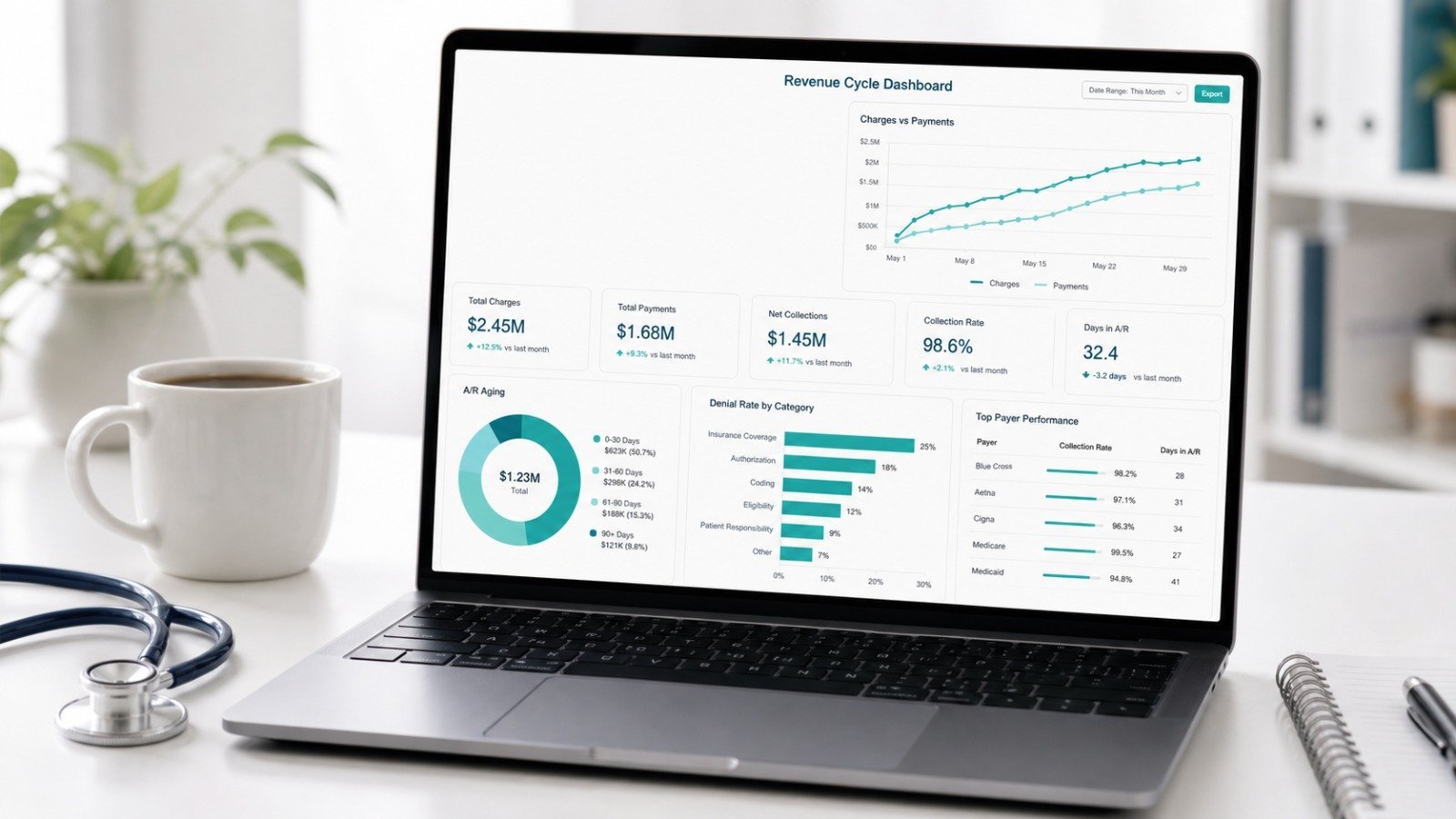
Technology plays an increasingly important role in modern healthcare. From managing patient information to coordinating daily administrative activities, healthcare practices depend on reliable digital systems to maintain efficient operations.
However, technology-related challenges such as system downtime, technical issues, data management difficulties, and inefficient workflows can interrupt daily activities and affect the quality of patient services.
Healthcare organizations need dependable technology and IT support to keep their systems organized, secure, and functioning effectively.
At StelleMed, we understand the importance of technology in healthcare operations. Our focus is on helping healthcare practices navigate technology-related challenges and maintain smoother, more efficient administrative workflows.
Common Healthcare Technology and IT Challenges
Healthcare organizations rely on multiple digital systems to manage their daily operations. When these systems are not properly maintained or managed, technical problems can interrupt workflows, create administrative delays, and affect staff productivity.

1. System Downtime and Technical Issues
Unexpected system downtime can disrupt important administrative activities. Staff may experience difficulties accessing digital records, scheduling appointments, or completing routine tasks.
Reliable technical support and regular system monitoring can help identify issues and reduce operational interruptions.
2. Data Security and Privacy Concerns
Healthcare organizations handle sensitive patient information that requires appropriate protection. Weak access controls, outdated software, and poor security practices can increase the risk of unauthorized access and data exposure.
Practices should follow applicable privacy requirements and implement suitable security measures to protect their information.
3. Outdated Software and Technology
Using outdated software can create compatibility problems, limit functionality, and make everyday tasks more difficult.
Regular software updates and technology assessments help healthcare practices maintain reliable systems and identify opportunities for improvement.
4. Poor System Integration
Healthcare practices may use different platforms for scheduling, documentation, communication, and administrative management.
When these systems do not work effectively together, staff may need to repeat tasks or manually transfer information, increasing the risk of errors and delays.
5. Limited Technical Support
Without access to timely technical assistance, even minor technology issues can affect daily operations.
Healthcare teams need clear support procedures to report technical problems, receive assistance, and restore normal workflows as quickly as possible.
6. Staff Training and Technology Adoption
Introducing new technology without proper staff training can create confusion and reduce productivity.
Employees need clear guidance and ongoing support to understand digital tools and use them effectively in their daily responsibilities.
Essential Technology Systems Used in Modern Healthcare Practices
Modern healthcare practices depend on different technology systems to manage administrative activities, organize patient information, and coordinate daily operations. Each system serves a specific purpose, and using these tools effectively can help healthcare organizations maintain more structured workflows.

1. Electronic Health Record (EHR) Systems
Electronic Health Record systems help healthcare organizations maintain patient information in digital formats. These systems can support documentation, record updates, and access to relevant patient information by authorized users.
An organized EHR process can reduce dependence on paper-based documentation and make information management more consistent. Healthcare practices should also establish appropriate access permissions and follow applicable privacy requirements when managing electronic records.
2. Practice Management Software
Practice management software helps healthcare organizations manage administrative responsibilities such as appointment scheduling, billing workflows, patient registration, and daily office operations.
When configured properly, these systems can help administrative teams organize routine tasks, reduce repetitive manual work, and maintain better visibility into practice activities.
3. Appointment Scheduling and Reminder Tools
Digital scheduling tools help practices manage appointment calendars, booking requests, cancellations, and rescheduling activities.
Automated reminders, where supported, can help keep patients informed about upcoming appointments. These tools also help administrative staff manage scheduling responsibilities more systematically.
4. Secure Communication Platforms
Healthcare organizations need reliable ways to communicate with patients and internal teams. Appropriate communication platforms can support appointment coordination, administrative updates, and patient inquiries.
Practices should select communication tools that meet their operational requirements and applicable privacy and security obligations.
5. Network and Hardware Infrastructure
Computers, network connections, printers, servers, and other hardware are important components of healthcare technology infrastructure.
Regular maintenance and appropriate configuration help keep these resources reliable. Practices should periodically review their equipment and replace or upgrade outdated hardware when necessary.
6. Backup and Recovery Solutions
Backup systems help protect important digital information against accidental deletion, hardware failure, and unexpected incidents.
A reliable backup strategy should include regular backups, secure storage, controlled access, and periodic recovery testing. Healthcare organizations should also define responsibilities for responding to data loss or system interruptions.
Best Practices for Maintaining Healthcare IT Systems
Maintaining healthcare technology requires continuous attention rather than occasional troubleshooting. A structured IT management approach helps practices identify potential problems, maintain system reliability, and support employees.
Regular Technology Assessments
Healthcare practices should periodically evaluate their software, hardware, network infrastructure, and digital workflows. These assessments can reveal outdated systems, performance issues, and opportunities to improve operational efficiency.
Documented IT Procedures
Clear documentation helps staff understand how to report technical problems, request assistance, manage system access, and follow established procedures.
Documented processes also make it easier for organizations to maintain consistency when responsibilities change or new employees join the team.
Employee Awareness and Training
Employees should understand basic technology procedures, password security, appropriate information handling, and how to recognize suspicious activity.
Regular awareness sessions can help reduce common mistakes and encourage responsible use of digital systems.
Monitoring and Preventive Maintenance
Routine monitoring and preventive maintenance can help identify potential technical issues before they significantly affect daily operations.
Healthcare practices should establish suitable maintenance schedules for their systems and ensure that technical problems are documented and addressed.
Planning for Unexpected Disruptions
Every healthcare organization should consider how it will continue essential activities if a system becomes unavailable.
A practical continuity plan can define backup procedures, alternative communication methods, recovery responsibilities, and steps for restoring normal operations.
How Healthcare Practices Can Improve Their Technology and IT Operations
A reliable technology environment requires more than simply installing software and hardware. Healthcare organizations need consistent processes for maintaining systems, supporting staff, managing information, and addressing technical issues.
Here are seven practical ways healthcare practices can strengthen their technology operations.

1. Maintain Regular System Updates
Keeping software and operating systems updated helps healthcare practices maintain compatibility, improve performance, and address known security vulnerabilities.
Practices should establish a routine for reviewing available updates and applying them according to their operational requirements.
2. Implement Strong Access Controls
Not every employee needs access to every type of information. Role-based access permissions help ensure that staff members can access only the systems and information required for their responsibilities.
Using strong passwords, multi-factor authentication where available, and regular permission reviews can further strengthen security.
3. Establish Reliable Data Backup Procedures
Data loss can create serious operational difficulties for healthcare organizations. Regular backups help protect important information against accidental deletion, hardware failures, and other unexpected incidents.
Practices should establish backup schedules, protect backup copies, and periodically test their recovery procedures.
4. Provide Consistent IT Support
A clear IT support process helps staff report technical issues and receive assistance without unnecessary delays.
Healthcare organizations should define how issues are reported, prioritized, documented, and resolved. This approach can improve accountability and reduce disruptions to everyday activities.
5. Train Employees on Digital Systems
Technology is only effective when employees understand how to use it properly.
Regular training helps staff become familiar with software, security procedures, digital documentation, and common troubleshooting steps.
6. Evaluate Existing Technology
Healthcare practices should periodically review their hardware, software, and digital workflows to identify outdated systems, unnecessary tools, and performance issues.
Technology assessments can help organizations make informed decisions about upgrades and improvements.
7. Develop a Technology Continuity Plan
Unexpected technical problems can interrupt essential operations. A technology continuity plan outlines how a practice will respond to system failures, data access problems, and other disruptions.
Having documented procedures and clearly assigned responsibilities can help healthcare teams respond more effectively.
Benefits of Reliable Healthcare Technology and IT Support
A well-managed technology environment can make a meaningful difference in how healthcare practices operate. Reliable systems and appropriate technical support help organizations maintain smoother workflows and manage their digital responsibilities more effectively.
Some important benefits include:
1. Improved Operational Efficiency
Reliable technology helps staff complete routine administrative tasks with fewer interruptions. Organized digital workflows can reduce unnecessary manual work and improve overall productivity.
2. Better Information Management
Structured digital systems help healthcare organizations maintain, access, and manage information more consistently. Appropriate access controls also support responsible information handling.
3. Reduced Operational Disruptions
Regular maintenance, system monitoring, and timely technical assistance can help identify potential issues before they create major interruptions.
4. Stronger Data Protection
Security practices such as access controls, software updates, secure backups, and employee awareness can help reduce common information security risks.
5. Better Staff Productivity
When employees have reliable systems and access to technical assistance, they can spend less time dealing with technology-related problems and more time on their primary responsibilities.
6. Greater Operational Reliability
Consistent technology management helps healthcare practices maintain dependable digital processes and prepare for unexpected technical challenges.
How StelleMed Supports Healthcare Technology and IT Operations
Technology should support healthcare operations, not make them more complicated. StelleMed understands that healthcare organizations need organized processes and dependable support to manage their everyday technology requirements.
Our approach focuses on helping practices navigate technology-related challenges, improve administrative coordination, and maintain efficient operational workflows.
Technology and Workflow Support
Organized technology processes can help healthcare teams manage their daily responsibilities more effectively. Reviewing existing workflows and identifying areas for improvement can support smoother operations.
Administrative Technology Coordination
Healthcare practices often depend on multiple digital tools to manage scheduling, documentation, communication, and administrative activities.
A coordinated approach helps teams manage these processes with greater consistency and organization.
Supporting Operational Continuity
Unexpected technical issues can affect daily activities. Having clear support procedures and organized processes helps practices respond to challenges and maintain operational continuity.
A Practical Approach to Technology
Every healthcare organization has different operational requirements. Technology support should take existing systems, staff needs, workflows, and organizational priorities into account.
StelleMed emphasizes a practical and organized approach to supporting healthcare practices as they manage their technology and administrative responsibilities.
Choosing the Right Healthcare IT Support Approach
Every healthcare organization has different technology requirements depending on its size, services, staff, and operational complexity. Choosing the right IT support approach requires understanding existing challenges and identifying the areas where additional technical assistance can make a meaningful difference.

1. Understand Your Practice’s Technology Requirements
Before selecting technology solutions or support services, healthcare practices should evaluate their current systems and operational needs.
This includes reviewing existing software, hardware, network infrastructure, administrative workflows, and common technical issues.
Understanding these requirements helps organizations prioritize improvements and avoid investing in tools that do not address their actual challenges.
2. Evaluate Reliability and Support Availability
Healthcare operations depend on technology that works consistently. Practices should consider how technical issues are reported, how support requests are handled, and what assistance is available when problems occur.
Clear support procedures and defined responsibilities can help reduce confusion and improve the handling of technical challenges.
3. Consider Data Security and Privacy
Security should be an important consideration whenever a healthcare organization selects or manages technology.
Practices should review access controls, authentication methods, backup procedures, software maintenance, and the privacy requirements applicable to their operations.
Technology decisions should support both operational efficiency and responsible information management.
4. Prioritize Ease of Use
Complex systems can create additional challenges for employees, particularly when they require extensive training or introduce unnecessary steps.
Healthcare organizations should consider whether a technology solution is practical for their staff and whether it supports existing workflows.
User training and clear documentation can also make technology adoption easier.
5. Plan for Future Growth
Technology requirements may change as healthcare practices expand, introduce new services, or increase their administrative workload.
Organizations should consider whether their systems can accommodate future needs without creating unnecessary operational complexity.
A scalable approach can help practices adapt their technology environment as requirements evolve.
6. Review Performance Regularly
Selecting a technology solution is not the end of the process. Healthcare organizations should regularly review system performance, staff feedback, technical issues, and workflow efficiency.
Ongoing evaluation helps identify areas that require attention and supports better long-term technology decisions.
The Importance of Combining Technology With Human Support
Technology can simplify many healthcare administrative activities, but successful implementation also depends on people, processes, and communication.
Employees need clear guidance to use digital systems effectively. Administrative teams need reliable procedures for handling technical issues, and healthcare organizations need appropriate support when their technology environment changes.
Combining suitable digital tools with organized human support creates a more balanced approach to healthcare technology management.
Rather than relying entirely on software or attempting to resolve every issue internally, practices can benefit from evaluating their operational needs and establishing appropriate support processes.
This approach helps maintain consistency, encourages responsible technology use, and allows healthcare teams to focus more effectively on their primary responsibilities.
Conclusion
Technology and IT support have become essential components of modern healthcare operations. Healthcare practices rely on digital systems to manage patient information, coordinate administrative activities, maintain communication, and support everyday workflows.
However, managing these systems effectively requires ongoing attention. Technical issues, outdated software, security concerns, system downtime, and limited employee training can create challenges that affect operational efficiency.
By implementing appropriate technology solutions, maintaining reliable systems, establishing secure information management practices, and providing consistent technical support, healthcare organizations can create a more dependable digital environment.
It is equally important to recognize that technology alone cannot solve every operational challenge. Successful technology management requires a combination of suitable digital tools, organized procedures, employee training, and reliable support.
At StelleMed, we understand the importance of technology in supporting healthcare practices. Our Technology & IT Support Services focus on helping organizations navigate technology-related challenges and maintain smoother administrative operations.
Ready to strengthen your healthcare technology operations? Explore StelleMed’s Technology & IT Support Services to discover how organized support can help your practice work more efficiently.
Frequently Asked Questions (FAQs)
1. What is healthcare IT support?
Healthcare IT support involves maintaining and troubleshooting the technology systems used by healthcare organizations. This may include computers, software, networks, digital records, and other technology resources that support daily operations.
2. Why is technology important in healthcare practices?
Technology helps healthcare practices organize patient information, coordinate appointments, manage administrative responsibilities, improve communication, and support efficient workflows.
3. What are the most common healthcare IT challenges?
Common challenges include system downtime, outdated software, network problems, data security concerns, poor system integration, limited technical support, and insufficient staff training.
4. How can healthcare practices improve data security?
Practices can strengthen data protection through appropriate access controls, strong authentication, regular software updates, secure backups, employee awareness, and compliance with applicable privacy requirements.
5. What is the difference between EHR and practice management software?
Electronic Health Record (EHR) systems primarily manage digital patient health information. Practice management software focuses on administrative activities such as appointment scheduling, registration, billing workflows, and practice operations.
6. How often should healthcare technology be maintained?
Healthcare technology should be monitored and reviewed regularly. Software updates, security checks, backup testing, hardware maintenance, and system assessments should follow appropriate schedules and vendor recommendations.
7. Why are regular data backups necessary?
Regular backups help protect important information against accidental deletion, hardware failure, and unexpected incidents. Practices should also test recovery procedures to ensure that backed-up information can be restored when needed.
8. How does employee training improve IT operations?
Employee training helps staff understand digital systems, follow security procedures, manage routine technology tasks, and report technical problems correctly. This can reduce avoidable mistakes and improve productivity.
9. What should healthcare practices consider when choosing IT support?
Practices should consider system reliability, technical support availability, security practices, compatibility with existing systems, ease of use, scalability, and their specific operational requirements.
10. How does StelleMed support healthcare technology operations?
StelleMed focuses on technology and IT support services that help healthcare practices manage technology-related challenges, improve administrative coordination, and maintain organized operational workflows.